In the evolving field of orthopedic surgery, the choice of fixation devices is crucial. Dr. Ellen Harrison, a renowned orthopedic surgeon, emphasizes, "The right tibial locking plates can significantly enhance patient outcomes." Tibial locking plates are designed to provide stable fixation in complex fractures and osteotomies of the tibia.
Choosing the appropriate tibial locking plate requires careful consideration of various factors. These factors include the type of fracture, the patient's anatomy, and specific surgical goals. The design and biomechanical properties of these plates influence their performance and the healing process. Surgeons must be knowledgeable about the latest advancements in tibial locking plates to ensure optimal results.
However, not all plates are created equal. Some may offer innovative features that improve stability, while others might fall short in certain surgical scenarios. It's essential for surgeons to critically assess both the benefits and limitations of each option. In doing so, they can provide the best possible care for their patients, ultimately achieving better surgical outcomes with tibial locking plates.
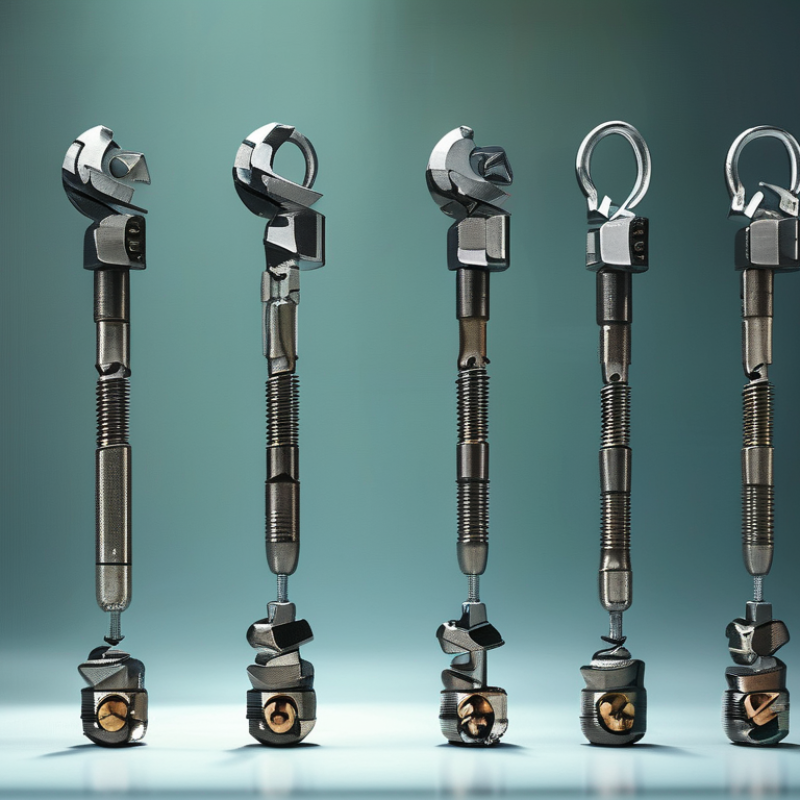
Tibial locking plates have transformed orthopedic surgery. They provide stability for complex fractures. These plates allow for multidirectional locking of screws into the plate. This enhances the biomechanical fixation.
Studies show that using tibial locking plates results in lower nonunion rates. A report in the Journal of Orthopaedic Trauma indicated a 20% reduction in complications compared to traditional methods. In certain cases, functional outcomes improved by up to 30%. This data supports the increasing adoption of these plates in surgical settings.
However, not all procedures are straightforward. Surgeons must carefully assess the fracture type. Complications can arise if plates are not inserted correctly. Additionally, the material properties of the plates play a role in long-term success. Surgeons should stay informed on the evolving designs and technologies in this field. Continuous education and practical experiences are crucial for optimal patient outcomes.
When selecting a tibial locking plate for surgery, consider key features that significantly impact the outcome. The plate's design should provide optimal stability while allowing for sufficient bone healing. Locking mechanisms are crucial as they secure the screws in place, reducing the risk of loosening. Pay attention to the material used; titanium is often favored for its strength and biocompatibility.
A low-profile design can minimize soft tissue irritation, making recovery smoother for patients. Additionally, consider the contour of the plate. A better fit promotes stability and decreases the chances of malalignment. The number of screw holes can also influence fixation; plates with multiple options offer flexibility in placement.
Tips: Always consult with a surgical specialist when choosing a plate. Understanding the unique needs of each patient is essential. Be cautious of overly complicated designs; simplicity often enhances reliability. Evaluate your options thoroughly, and trust your professional judgment. Remember, what works perfectly for one may not be as effective for another. Listen to feedback from peers and consider revising your choices as new products emerge.
When considering surgical options for tibial fractures, the choice of locking plates can significantly impact recovery. These plates provide stability and promote healing. Here are some key factors to keep in mind. Material quality plays a crucial role. Stainless steel and titanium are common. Both have their pros and cons. Titanium is lighter but may cost more.
The design of the plate is another important aspect. Anatomically contoured plates can enhance fit and minimize soft tissue damage. Selecting the right configuration can be challenging. It requires the surgeon’s experience and insight into the specific fracture type. I have seen cases where improper plate selection led to complications, affecting patient outcomes.
Surgeons also need to consider the locking screw angle. A more angled screw can improve fixation. However, it may complicate the surgical procedure. Balancing stability with ease of application is not always straightforward. Continuous learning and adaptation are necessary in orthopedic surgery. Each case demands a tailored approach for optimal results.
| Plate Type | Size (mm) | Material | Locking Mechanism | Indications |
|---|---|---|---|---|
| Lateral Locking Plate | 7x100 | Titanium Alloy | Locking screws | Distal tibial fractures |
| Medial Locking Plate | 8x95 | Stainless Steel | Locking screws | Medial malleolar fractures |
| Posterior Locking Plate | 7x90 | Titanium Alloy | Dependent locking | Posterior tibial injuries |
| Tibial tuberosity Locking Plate | 6x80 | Biocompatible Polymer | Screw-locking system | Patellar tendon repair |
| Anteromedial Locking Plate | 8x100 | Aluminum Alloy | Locking screws | Complex tibial fractures |
When choosing tibial locking plates for surgery, a comparative analysis is crucial. These plates vary in design, material, and locking mechanisms. Surgeons must consider biomechanical properties, surgical technique, and patient specificity. Understanding these differences can enhance surgical outcomes and minimize complications.
Precision in selection matters. For instance, some plates provide greater stability in complex fractures. Others may be beneficial for minimally invasive techniques. Choosing the right plate can significantly impact healing. Surgeons need to weigh factors like bone quality and fracture type when making decisions.
Tips for selecting tibial locking plates include consulting peer-reviewed literature. Engage in discussions with fellow surgeons about their experiences. Finally, reviewing case studies can provide insights into potential complications. Each choice should be deliberate, considering not just the present needs but future implications as well. Patients deserve the best possible outcomes from their surgeries.
When considering tibial locking plates for surgical procedures, patient factors play a crucial role in outcomes. Each patient presents unique anatomical and physiological challenges. A surgeon must assess the specific needs of the individual. Age, bone quality, and overall health status can greatly influence healing. Older patients may have slower recovery due to diminished bone density. In contrast, younger patients may tolerate surgery with fewer complications.
Risk factors must be identified early. Diabetes, smoking, and obesity can impede healing. These conditions can lead to infections or implant failures. Surgeons should engage in thorough preoperative discussions. Patients need to understand their own risks and expectations. Education is vital.
Patient compliance with postoperative instructions is paramount. Engaging patients in their recovery plans enhances outcomes. Regular follow-ups ensure that complications are addressed promptly. Despite advances in technology, outcomes can vary greatly. Continuous reflection and adaptation in surgical techniques are essential for improving patient care. Understanding these factors leads to better decision-making in choosing the right tibial locking plate for each unique case.
: Tibial locking plates are used in orthopedic surgery to stabilize complex fractures.
They reduce nonunion rates and can enhance functional outcomes by up to 30%.
Look for a stable design, effective locking mechanisms, and suitable materials for bone healing.
The material, like titanium, affects strength and promotes biocompatibility during recovery.
A low-profile and anatomically contoured plate can minimize soft tissue irritation and improve fit.
They need to assess fracture types, plate features, and the specific needs of each patient.
Yes, improper insertion or plate selection can lead to complications affecting recovery.
Continuous education, peer feedback, and thorough evaluation of available options are crucial.
Choosing overly complicated designs when simpler options could offer better reliability.
It helps surgeons adapt to new products and evolving techniques for improved patient outcomes.
Tibial Locking Plates are vital surgical tools designed for stable fixation of fractures in the tibia, promoting optimal healing. Understanding their key features, such as locking mechanisms, material strength, and design versatility, is essential for selecting the right plates for surgical procedures. The article explores the top five Tibial Locking Plates that are recommended for surgical use, providing insights into their comparative advantages and disadvantages.
Furthermore, the discussion includes patient considerations and outcomes associated with the use of Tibial Locking Plates, highlighting how these factors influence surgical success and recovery rates. By evaluating various options and understanding their unique characteristics, healthcare professionals can make informed decisions to enhance patient care in tibial surgeries.

Synoviq Medical