The use of Humeral Intramedullary Nails has greatly transformed orthopedic surgery. These devices are crucial for treating humeral fractures, offering stability and promoting healing. According to a recent report by the Global Orthopedic Devices Market, the demand for intramedullary nails is projected to increase by 7.5% annually. This growth reflects the rising incidence of bone injuries and the need for efficient surgical solutions.
Dr. Emily Thompson, a leading orthopedic surgeon, emphasizes, "Humeral Intramedullary Nails enhance recovery time significantly." Despite advancements, challenges persist in achieving optimal surgical outcomes. Surgeons must consider factors like nail diameter, length, and patient-specific anatomy. Variations in techniques can lead to complications, such as infection or nonunion.
This highlights the importance of selecting the right product. Each brand offers unique benefits and potential drawbacks. As global buyers explore options, understanding these nuances becomes essential for informed decisions. The landscape of Humeral Intramedullary Nails continues to evolve, influencing both surgeons' practices and patient care outcomes.
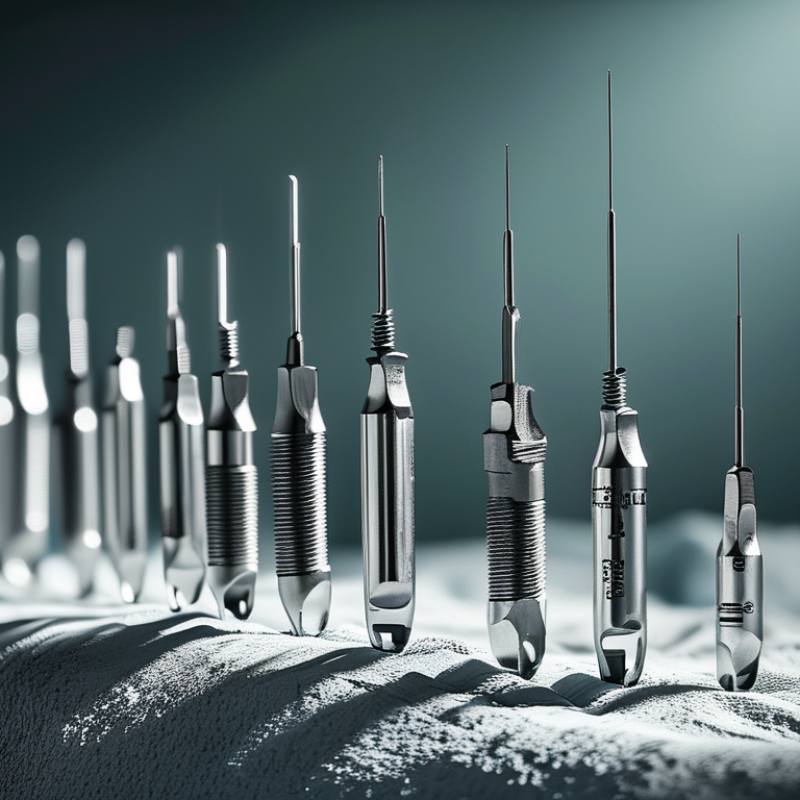
Humeral intramedullary nails are essential tools in orthopedic surgery. They are primarily used to stabilize fractures in the humerus. The design of these nails allows for minimally invasive procedures, which can lead to quicker recovery times. Surgeons insert the nail into the medullary cavity of the humerus, providing internal support for the bone.
These nails are beneficial in various cases, such as complex fractures or when other fixation methods fail. They offer high stability while preserving blood flow to the surrounding tissues. Additionally, the use of intramedullary nails can reduce the risk of complications like infections. However, selecting the appropriate size and type requires careful consideration. Not all cases are suitable for this approach, and improper use can lead to significant issues.
Despite their advantages, challenges exist in their application. Surgeons must be skilled in the procedure. Inadequate training can result in complications, such as malalignment or delayed healing. Understanding the unique anatomy of each patient is critical. Each case presents its own complexities, making it vital for orthopedic specialists to stay informed about advancements in technology and techniques.
This chart displays the average load-bearing capacity of the top 10 humeral intramedullary nails in pounds. These nails are commonly used in humeral fractures and fixation procedures, highlighting their effectiveness in clinical applications.
When evaluating the best humeral intramedullary nails, several criteria become crucial. First, consider material quality. The ideal nail should be made of high-strength materials. Titanium and stainless steel are common choices. They offer durability, reducing the risk of breakage under stress.
Next, examine the design features. The nail should have a versatile design that accommodates a variety of fracture types. Locking mechanisms are essential for stability. Ease of insertion and removal is also key. Look for nails with a user-friendly design. This can significantly enhance surgical efficiency.
Tip: Assess user reviews and feedback from professionals in the field. Real-world experiences can guide you in making an informed choice.
Another important factor is post-operative outcomes. Look for nails linked to lower complication rates. This can indicate better performance in clinical settings. Always pay attention to surgical guidelines specific to different nails.
Tip: Ask for recommendations from orthopedic surgeons. Their expertise can direct you towards reliable options.
Humeral intramedullary nails play a vital role in orthopedic surgeries. These devices can help stabilize fractures in the humerus, promoting proper healing. They are designed to be lightweight yet durable, ensuring patient comfort and confidence during recovery.
One notable feature of these nails is their anatomical design. This allows for better alignment with the natural curvature of the arm. The materials used are often biocompatible, reducing the risk of adverse reactions. Surgeons appreciate their ease of insertion, which can lead to shorter surgery times. However, improper use can lead to complications such as misalignment or infection.
Benefits also include minimized soft tissue damage, as these nails require smaller incisions. Patients typically experience less postoperative pain. Despite their advantages, not every case may be suitable for this method. Each patient requires a thorough assessment. Elements like age, bone quality, and fracture type should be considered. These factors influence the overall effectiveness of the nails in promoting bone healing.
When evaluating humeral intramedullary nails, global buyers face a multitude of options. A comparative analysis reveals significant variations in design, material, and functionality among different brands. For instance, research indicates that nails made from titanium demonstrate better biocompatibility and strength compared to stainless steel counterparts. This makes titanium choices preferable in many clinical settings.
Data from the Journal of Orthopedic Research highlights that the failure rate of intramedullary nails can be influenced by their design. Certain brands reported up to 20% non-union rates in complicated cases. This raises questions about the effectiveness of various design features intended to enhance stability. Surgeons must consider these factors when selecting implants.
User feedback remains a critical aspect of this analysis. Surgeons frequently report difficulties in certain nail insertions, which may affect overall confidence in specific products. Continuous improvements are necessary. Brands need to address these concerns to ensure better outcomes for patients. The journey towards optimal solutions in this area relies heavily on collecting and analyzing surgical data.
The field of humeral intramedullary nail technology is evolving rapidly. New materials and designs are paving the way for better patient outcomes. Research indicates that the global market for intramedullary nails will reach an estimated $500 million by 2025. This growth is driven by advancements in surgical techniques and the increasing demand for orthopedic surgeries.
One notable trend is the shift towards bioresorbable materials. These materials eliminate the need for secondary surgeries to remove hardware. They promise a more efficient recovery process. Additionally, the integration of 3D printing is revolutionizing custom implant design, allowing for better-fit solutions tailored to individual patient anatomies.
Tips: When evaluating a new intramedullary nail design, consider the learning curve for medical personnel. Training is crucial to maximize safety and efficacy during surgeries. It's essential to remain cautious. Not all new technologies have been fully vetted in varied clinical scenarios. Continuous education and peer-reviewed data are vital for maximizing patient safety and outcomes.
: High-strength materials like titanium and stainless steel are preferred for durability.
A versatile design helps accommodate different fracture types. Locking mechanisms ensure stability during recovery.
User reviews and professional feedback provide insights on performance and ease of use.
Look for nails associated with lower complication rates to ensure better recovery.
Asking for recommendations from orthopedic surgeons can lead to reliable options based on their expertise.
Nail design can significantly influence failure rates, with some reports indicating up to 20% non-union cases.
Surgeons often report difficulties during nail insertions, which can affect their confidence in certain products.
Yes, brands show significant differences in design, material, and functionality impacting performance.
Following specific surgical guidelines is crucial for optimal outcomes with different nail types.
Collecting and analyzing surgical data is essential for addressing challenges and improving nail effectiveness.
Humeral Intramedullary Nails are essential tools in orthopedic surgery, primarily used for the stabilization and fixation of humeral fractures. This article provides an overview of their applications, emphasizing the significance of evaluating features such as material quality, design, and ease of insertion when selecting the best options available globally.
The top 10 Humeral Intramedullary Nails are analyzed based on their unique characteristics and benefits, alongside a comparative assessment of various global brands. The piece concludes with insights into future trends in the development and technology of Humeral Intramedullary Nails, highlighting advancements that may enhance surgical outcomes and patient recovery. As the orthopedic field evolves, understanding these innovative solutions is crucial for healthcare professionals.

Synoviq Medical