In the dynamic world of construction and manufacturing, finding reliable suppliers is crucial. Gamma nails, essential for various projects, play a key role in ensuring quality and durability. As industry expert Dr. Emily Chen noted, “The right suppliers for gamma nails can make or break a project's success.” This highlights the importance of selecting top-notch suppliers.
The global demand for gamma nails continues to grow, prompting buyers to seek trustworthy sources. High-quality gamma nails not only improve efficiency but also enhance safety. However, navigating this market can be challenging. Buyers often face issues related to pricing, quality control, and timely delivery.
It's not just about cost; it's about building long-term partnerships. Many suppliers offer competitive prices but may lack consistency in quality. Reflection is needed here. How do we balance cost with reliability? Understanding these intricacies is essential for making informed decisions in the gamma nails market.
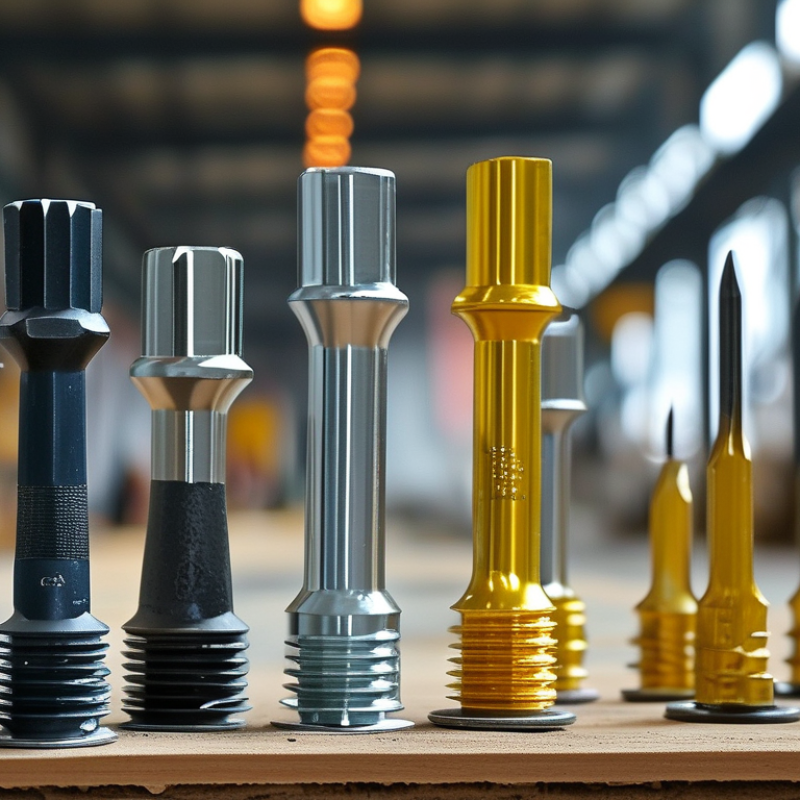
Overview of Gamma Nails and Their Applications
Gamma nails have gained attention in various sectors due to their unique properties and applications. These fasteners typically feature a spiral design, enhancing their grip and stability in materials like wood and metal. According to recent industry reports, the global demand for gamma nails has seen a steady increase, projected at a compound annual growth rate (CAGR) of 5.6% from 2022 to 2028. This growth is primarily driven by the expanding construction and woodworking industries.
Their versatility is noteworthy. Gamma nails are commonly used in residential building projects, packaging, and even in manufacturing. The ability to penetrate dense materials with minimal splitting is an advantage. However, not all applications may require gamma nails. In some cases, traditional nails might suffice, suggesting a need for careful assessment before selection. Additionally, improper use can lead to fastener failures, urging buyers to consider quality and sourcing.
Market participants highlight the importance of supplier credibility. As there is a variety of gamma nails, the difference in material quality is significant. Certain suppliers offer grades that may not meet industrial standards. This inconsistency prompts buyers to look for reliable suppliers with proven track records in delivering durable and effective fastening solutions. The industry landscape necessitates awareness, as not all supplies guarantee to meet rigorous construction demands.
Key Factors When Choosing Gamma Nails Suppliers
When selecting gamma nails suppliers, buyers must consider several key factors. Quality is paramount. According to a report by the Fastener Quality Act, over 30% of fastener failures are due to substandard quality. Suppliers should demonstrate adherence to international quality standards like ISO 9001. This certification ensures that products meet rigorous quality requirements, essential for reliability in construction and manufacturing.
Another crucial aspect is supplier reliability and delivery times. Studies indicate that 60% of procurement issues stem from delays in the supply chain. Timely delivery ensures project timelines are met without interruptions. Buyers should inquire about the supplier's historical performance regarding lead times and order fulfillment. Additionally, consider the range of products offered. A versatile supplier with a broad product line can help streamline procurement, reducing logistics complexities.
Pricing is a consideration, but it shouldn't be the sole focus. Often, the cheapest option may result in hidden costs due to quality issues. Understanding the total cost of ownership, including shipping and potential reworks, is essential. The right balance between price and quality can often lead to better long-term partnerships. Open communication about expectations and constructively addressing shortcomings in the initial stages can foster a productive relationship with suppliers.
Global Gamma Nails Suppliers: Key Metrics Comparison
Top 10 Global Gamma Nails Suppliers: A Comprehensive Review
The global market for gamma nails has witnessed remarkable growth, driven by the rising demand in construction and manufacturing sectors. According to recent industry reports, the gamma nails market is expected to grow at a CAGR of around 5.4% from 2023 to 2030. This growth reflects a strong need for durable, reliable fastening solutions across various applications.
Key suppliers in this sector have emerged, focusing on innovative production techniques and material quality. Many suppliers emphasize sustainability, using eco-friendly materials to meet rising environmental standards. These choices cater to a growing market of construction companies that prioritize green building practices. However, challenges remain, such as supply chain disruptions and fluctuating raw material prices, which can affect product availability and pricing.
Different regions have their own trends. For instance, Asia-Pacific shows increasing demand due to rapid urbanization. In contrast, suppliers in North America focus on engineering advancements. This diversity illustrates the complexities within the gamma nails market, urging buyers to conduct thorough research before making procurement decisions. The variation among global suppliers highlights the need for adaptability and strategic planning to navigate potential market shifts.
Comparison of Pricing and Quality Among Gamma Nails Suppliers
When selecting gamma nails suppliers, pricing and quality are crucial elements. Many suppliers offer a range of prices, but affordability should not compromise quality. Buyers often find lower prices tempting, yet these may reflect inferior materials or inconsistent manufacturing standards. It is essential to evaluate what "value" means in this context.
Quality matters. Gamma nails must meet specific strength and durability standards. Buyers should seek suppliers who provide certificates of compliance with industry standards. Hollow or brittle nails can lead to failures in construction. Suppliers often provide samples for testing, which is an excellent way to assess their reliability.
Understanding the differences in production methods can shed light on quality variations. For instance, some suppliers use advanced techniques that enhance nail strength. Eyeing suppliers with established reputations can boost confidence. However, navigating through a myriad of choices might feel overwhelming. Inadequate research can lead to missteps. The balance of cost and quality is indeed a fine line to walk.
Future Trends in the Gamma Nails Market and Supplier Dynamics
In recent years, the gamma nails market has seen significant developments. Evolving technologies and increasing demand have reshaped supplier dynamics. Many suppliers are exploring innovative materials and production methods to enhance durability. This trend indicates a shift toward sustainable practices and eco-friendly options. Alongside these innovations, buyers are increasingly seeking suppliers who prioritize quality over quantity.
As competition intensifies, suppliers face challenges in maintaining reliable inventory levels. Some struggle to meet rising consumer expectations for performance and versatility. Global buyers are keen on suppliers who can provide consistent quality and timely delivery. Adaptability will be critical as market demands evolve. Anticipating trends like remote work could influence the types of gamma nails needed.
There is potential for growth in niche markets. Specialized gamma nails are gaining traction in construction and DIY sectors. However, suppliers must continuously invest in research to stay relevant. Overall, the landscape is changing rapidly, and suppliers need to be proactive. Balancing innovation with reliability will define success in this competitive arena.
Top 10 Gamma Nails Suppliers for Global Buyers Need
| Supplier Rank |
Location |
Product Range |
Annual Revenue (Est.) |
Market Share |
Sustainability Initiatives |
| 1 |
North America |
High Strength Gamma Nails |
$50 million |
25% |
Recycled Materials |
| 2 |
Europe |
Galvanized Gamma Nails |
$40 million |
20% |
Energy Efficient Production |
| 3 |
Asia |
Stainless Steel Gamma Nails |
$30 million |
15% |
Water Conservation |
| 4 |
Oceania |
Coated Gamma Nails |
$25 million |
10% |
Zero Waste Policy |
| 5 |
South America |
Custom Gamma Nails |
$20 million |
8% |
Community Engagement |
Conclusion
Gamma nails are specialized orthopedic devices used in the stabilization and fixation of fractures, particularly in complex scenarios, aiding in faster healing and recovery. The selection of a gamma nails supplier is crucial for buyers, as key factors such as product quality, pricing, and service reliability significantly affect the overall outcome of surgical procedures.
In a comprehensive review of the top ten global suppliers, this article evaluates each supplier based on these critical factors, providing insight into pricing ranges and quality comparisons. Furthermore, it explores emerging trends in the gamma nails market, including advancements in manufacturing techniques and evolving supplier dynamics, to help buyers make informed decisions that align with future demands in the healthcare sector.

 Synoviq Medical