Proximal Femoral Nail Antirotation is a significant advancement in orthopedic surgery. This technique addresses challenges in stabilizing femoral fractures while promoting optimal healing. Surgeons often seek methods that minimize complications and enhance patient outcomes.
The design of the Proximal Femoral Nail Antirotation allows for minimal soft tissue disruption. This is crucial in preserving blood flow and promoting faster recovery. By using this device, surgeons can achieve better fracture alignment. However, it is not without its challenges. Achieving the perfect placement requires skill and experience.
Furthermore, surgeons must evaluate patient-specific factors. Not all patients will benefit equally from this approach. Continuous evaluation of outcomes is vital. The medical field is always evolving, and the Proximal Femoral Nail Antirotation is no exception. While it represents a promising solution, ongoing research and feedback are essential for improvement.
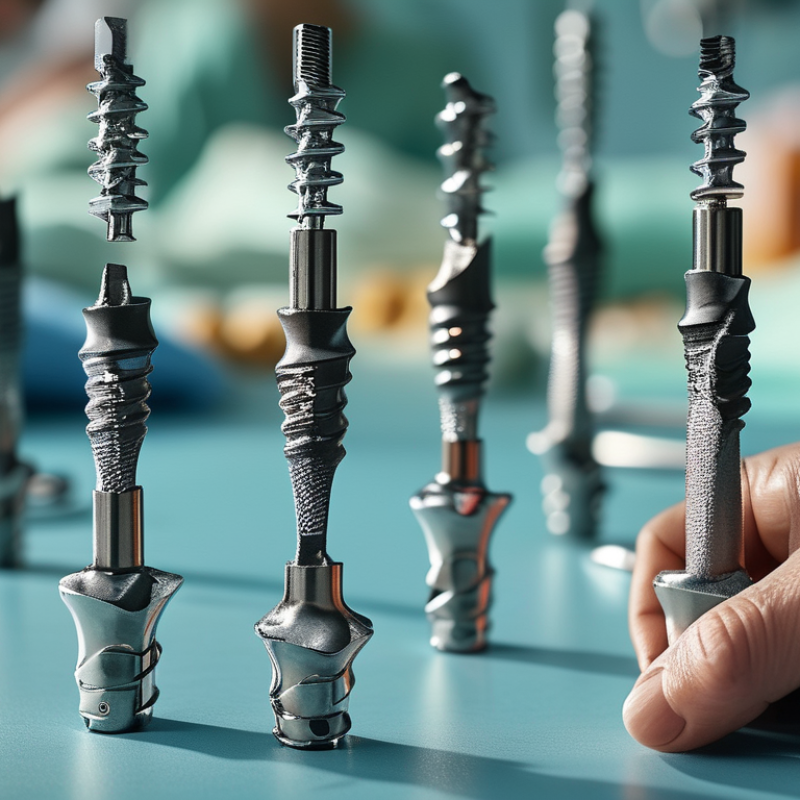
Proximal Femoral Nail Antirotation (PFNA) is gaining popularity in orthopedic surgery. This technique addresses complex fractures in the proximal femur effectively. One major advantage of PFNA is its ability to provide stable fixation. This stability is crucial for early mobilization, which can significantly enhance recovery.
Surgeons appreciate PFNA's minimally invasive approach. Smaller incisions lead to reduced soft tissue trauma. This can mean less postoperative pain and quicker rehabilitation. Additionally, the PFNA system allows for better alignment of the femur, which is essential in preventing complications.
When considering PFNA, here are some tips. Evaluate the fracture pattern carefully. Not all fractures are suitable for this technique. It’s important to ensure proper selection for optimal results. Engage with an experienced orthopedic team. Their expertise can guide the best practices in applying PFNA. Don’t forget to discuss potential risks thoroughly with patients. Transparency builds trust and promotes a better surgical experience.
Proximal Femoral Nail Antirotation (PFNA) is an effective solution for certain hip fractures. It is particularly used in elderly patients with low-energy fractures. These fractures often occur due to falls and can lead to severe mobility issues. PFNA helps stabilize the fracture, enabling quicker recovery and improved quality of life.
Indications for using PFNA include unstable intertrochanteric fractures. This type of fracture can be quite complex, making surgical intervention necessary. PFNA is ideal for managing these challenging cases. Surgeons may choose this method to reduce surgical time and minimize complications.
However, there are limitations. PFNA may not be suitable for all patients, particularly those with significant bone loss. In such cases, alternative fixation methods may need to be considered. The surgeon's experience plays a critical role in selecting the right approach. Each case requires careful evaluation to ensure the best outcomes for the patients.
Choosing the right surgical method for femoral fractures is crucial. The
proximal femoral nail antirotation (PFNA) is becoming
a popular choice among surgeons. It offers unique benefits compared to other surgical techniques like hip screws or plates.
PFNA is less invasive and allows for shorter recovery times. This can be critical for elderly patients who
often face multiple health issues.
Other methods may involve larger incisions and more extensive tissue disruption. This can lead to longer hospital stays and increased pain. PFNA aligns well with the natural anatomy of the femur.
Surgeons appreciate this design as it can lead to improved functional outcomes. Yet, like any technique, it has its limitations.
Complications can include implant failure or nonunion of fractures.
Tips: For patients considering surgery, discuss all options with your surgeon. Understand the recovery process for each method. Staying informed can help you make the best decision for your health. Always inquire about the experience of your surgical team with each technique. Trust in their expertise can greatly influence your recovery journey.
When performing a proximal femoral nail antirotation (PFNA) procedure, attention to detail is crucial. The key technical aspects include precise entry point selection and alignment. A well-placed incision can significantly impact the surgery's success. Surgeons should use imaging tools to confirm the ideal entry point. This approach minimizes the risk of complications and promotes better outcomes.
During insertion of the nail, maintaining proper alignment is essential. It is important to check the rotational stability. Surgeons often face challenges ensuring the femur remains stabilized throughout the procedure. Any misalignment may lead to inadequate fixation and potentially result in malunion or nonunion. Utilizing intraoperative fluoroscopy helps address these challenges effectively.
Proper technique is vital for reducing postoperative complications. Surgeons must ensure that the locking screws are adequately placed. This step can be overlooked in a rushed environment. However, incomplete fixation can lead to serious issues, such as implant failure. Continuous education and practice can help improve surgical skills and outcomes. Battles with technique often lead to reflections on past surgeries, pushing for better practices.
In recent years, the Proximal Femoral Nail Antirotation (PFNA) has gained traction for treating hip fractures. Postoperative outcomes have been promising, with studies showcasing a lower complication rate compared to traditional methods. A 2021 research report indicated that the PFNA significantly reduces the incidence of cut-out complications by nearly 15%, which is crucial for ensuring successful rehabilitation.
Patient recovery times also show notable improvements. The average hospital stay for PFNA patients is around 5 days, which is 2 days shorter than those undergoing conventional surgical approaches. Furthermore, 80% of patients achieve satisfactory functional outcomes within six months post-surgery. However, some reports highlight a 10% chance of non-union in very elderly patients, which raises questions about patient selection criteria and surgical techniques.
While the advantages are clear, challenges remain. Surgeons must remain vigilant about potential complications, such as malunion or implant failure. Continuous training in advanced techniques is essential for optimal results. The balance between surgical innovation and patient safety is critical for advancing orthopedic surgery practices.
| Parameter | Outcome | Recovery Time (Weeks) | Complication Rate (%) |
|---|---|---|---|
| Surgical Time | Average 90 minutes | 4-6 | 5% |
| Hospital Stay | Average 5 days | N/A | 2% |
| Weight Bearing | Full Weight Bearing | 2-3 | 3% |
| Functional Recovery | High functionality scores | 6-12 | 4% |
?
PFNA is less invasive and can result in shorter recovery times compared to other surgical methods.
PFNA generally involves smaller incisions, less tissue damage, and fewer complications than hip screws or plates.
Patients typically stay in the hospital for about 5 days after PFNA, which is shorter than conventional surgeries.
Yes, risks include possible implant failure or nonunion of fractures, particularly in very elderly patients.
Patients should discuss all surgical options with their surgeon and inquire about their experience and outcomes.
Around 80% of patients report satisfactory functional outcomes within six months after PFNA surgery.
Yes, issues like malunion and the need for continuous training for surgeons remain important factors for patient safety.
Studies suggest PFNA has a lower complication rate, decreasing cut-out complications by about 15% compared to older methods.
Very elderly patients may face a higher risk of non-union, highlighting the need for careful patient selection.
Proximal Femoral Nail Antirotation is increasingly recognized for its advantages in surgical procedures aimed at addressing femoral fractures. This technique enhances stability and reduces the risk of rotational deformity, making it particularly suitable for specific patient populations. The indications for using Proximal Femoral Nail Antirotation include various types of femoral neck and intertrochanteric fractures, where maintaining proper alignment is critical for healing.
When compared to alternative surgical methods, Proximal Femoral Nail Antirotation often offers superior outcomes in terms of recovery times and postoperative complications. Technical aspects of the procedure emphasize careful consideration of surgical technique to optimize patient outcomes. Ultimately, the use of Proximal Femoral Nail Antirotation not only facilitates effective fracture stabilization but also promotes a smoother recovery process for patients.

Synoviq Medical