In the realm of orthopedic surgery, the selection of PFNA Intramedullary Nails is critical. Dr. Sarah Thompson, a renowned orthopedic surgeon, emphasizes, "Choosing the right PFNA nail can significantly affect patient recovery." This quote highlights the importance of understanding the nuances of these devices.
The PFNA Intramedullary Nails are designed for stability and support in treating fractures. Each patient's anatomy is unique, and this diversity calls for a careful approach. Surgeons must evaluate various aspects, such as nail length, diameter, and locking mechanisms. A misstep in this process can lead to complications.
Surgeons often face challenges in decision-making regarding PFNA nails. Experience plays a vital role. However, no single strategy fits all cases. Continuous learning and adaptation are essential. By delving into case studies and collaborating with peers, surgeons refine their techniques, ultimately benefiting patient outcomes.
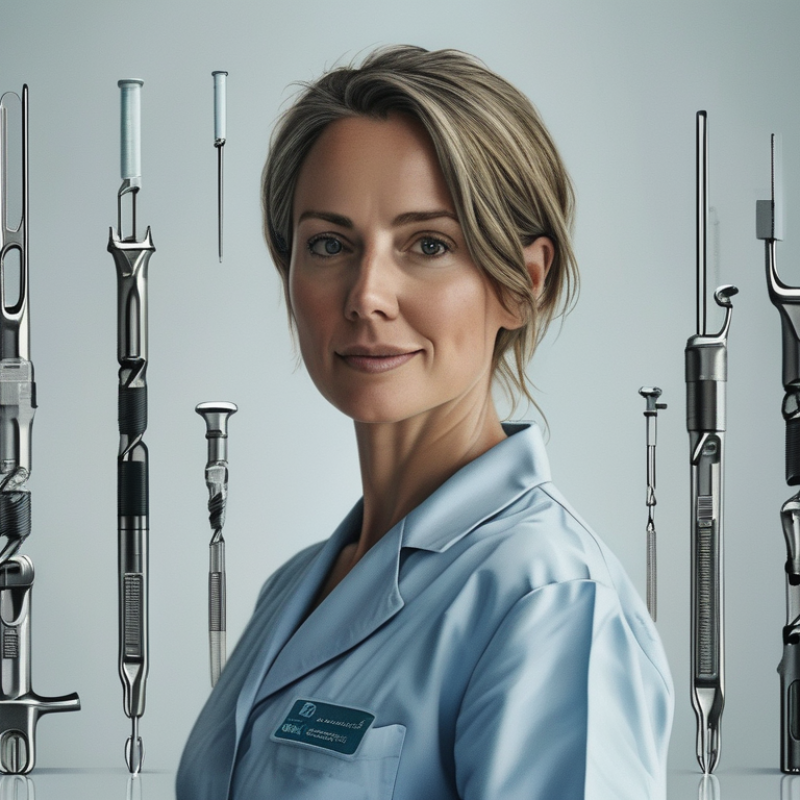
Understanding PFNA Intramedullary Nails and Their Role in Surgery
PFNA intramedullary nails play a critical role in treating proximal femur fractures. These nails provide stable fixation, promoting healing and restoring mobility. Surgeons choose PFNA nails due to their design, which minimizes soft tissue trauma. A well-placed nail can lead to better patient outcomes.
Tips: Ensure that the surgeon has experience with PFNA nails. A thorough assessment of the fracture type is essential. Accurate placement is vital for proper load distribution.
The surgical technique involves careful consideration. Not all cases are straightforward, and individual anatomy varies greatly. Surgeons must evaluate the patient's specific needs. Misalignment during insertion can lead to complications. A strategic approach enhances success rates.
Tips: Evaluate bone quality before surgery. Planning with imaging can improve accuracy. Discuss potential risks and benefits with patients to ensure informed decisions.
While PFNA nails are effective, they are not a one-size-fits-all solution. Each patient presents unique challenges. Continuous education and practice are crucial for mastering this technique. Surgeons should reflect on their experiences to refine their skills.
When selecting PFNA intramedullary nails for surgery, several key factors should be evaluated. The material of the nails plays a significant role in durability and biocompatibility. According to a report by the International Journal of Orthopaedics, titanium nails offer superior resistance to fatigue and corrosion compared to stainless steel. This can lead to more successful surgical outcomes and reduced infection rates.
Additionally, the nail diameter is crucial. A study published in Trauma Surgery & Acute Care Open highlighted that using the appropriate diameter correlates with the stability of the fracture fixation. Oversized nails can cause cortical damage, while undersized nails may fail to provide adequate support. Surgeons need to assess patient-specific factors, including bone quality and the nature of the fracture, to choose the right size.
Furthermore, the design of the PFNA nails impacts surgical ease and recovery times. Features like locking mechanisms and variable angle options can enhance surgical precision. However, complex designs may require longer surgery time, leading to increased risks. Thus, careful consideration of nail design should be taken to balance surgical efficiency and patient safety, ensuring an optimal approach tailored to individual patient needs.
When selecting PFNA intramedullary nails for surgical applications, understanding the various types available is crucial. PFNA nails are commonly categorized into standard, short, and long designs. Each type serves distinct anatomical requirements and fracture patterns, impacting surgical outcomes. For instance, the short PFNA is beneficial for patients with proximal femur fractures, offering a less invasive alternative.
Recent studies indicate that using the appropriate type of PFNA can improve recovery rates significantly. Research published in the Journal of Orthopaedic Surgery revealed that using a well-matched PFNA nail can increase the likelihood of successful bone healing by 30%. However, not all types are suitable for every patient. Surgeons must consider factors like the patient's age, bone density, and fracture configuration. This thoughtful selection process can help prevent complications, such as non-union or malalignment.
Moreover, despite the effectiveness of PFNA nails, there is room for improvement in surgical techniques and post-operative care. Complications have been reported in up to 10% of cases, emphasizing the need for ongoing training and assessment. Surgeons are encouraged to analyze their outcomes critically and refine their approaches based on evidence-based practices. Collaborating with multidisciplinary teams can further enhance the understanding of optimal PFNA usage.
Choosing the right PFNA intramedullary nail involves understanding the surgical techniques for implantation. Proper alignment is essential. The nail must follow the natural curvature of the femur. A misaligned nail can lead to complications. Surgeons should visualize the anatomy clearly before making any incisions. Familiarity with the patient’s anatomy improves accuracy during surgery.
Tips: Always mark entry points on the skin before starting. This helps maintain orientation. Practicing on cadaver models can enhance skill. Trying variations in angles may reveal new techniques. A methodical approach ensures precision throughout the procedure.
Surgeons often encounter difficulties with soft tissue. Proper retraction is critical for visibility. Care must be taken to avoid damage to surrounding structures. Each surgical team should adapt their methods based on the unique challenges they face. Learning from each case, both successful and not, contributes to improved outcomes. Always seek feedback from peers to refine your technique.
Post-surgery care is crucial for patients with PFNA (proximal femoral nail anti-rotation) nails. After surgery, patients may experience pain, swelling, and limited mobility. Effective pain management is essential. Medical professionals often recommend over-the-counter medications or prescribed pain relievers. Keeping the surgical site clean helps prevent infections. Patients should follow their doctor's instructions carefully.
Recovery time varies for everyone. Rehabilitation exercises play a vital role in regaining strength and mobility. A physical therapist can provide personalized exercises. Gentle movements help maintain circulation and prevent stiffness. Patients must remember to listen to their bodies. Pushing too hard can lead to setbacks.
Nutrition also impacts recovery. Proper hydration and a balanced diet support healing. Some patients may feel discouraged during this phase. Progress might seem slow at times. Patience is key. Regular follow-ups with healthcare providers ensure that recovery is on track. Engaging with support groups can provide emotional relief too. Sharing experiences with others can be comforting and motivating.
intramedullary nails used for?
Accurate placement ensures proper load distribution, leading to better patient outcomes.
Factors include the patient's age, bone density, and specific fracture patterns.
Patients experience pain, swelling, and limited mobility. Rehabilitation exercises are vital for recovery.
Patients can use over-the-counter medications or prescribed pain relievers as recommended.
A balanced diet and proper hydration support healing during recovery.
Regular follow-ups help ensure recovery is on track and address any concerns.
No, they are not a one-size-fits-all solution; individual patient factors must be considered.
Continuous education, practice, and reflecting on experiences are crucial for refining techniques.
Slow progress can be discouraging, highlighting the need for patience during the healing process.
PFNA Intramedullary Nails have become a vital component in orthopedic surgery, particularly for the treatment of femoral fractures. Understanding their function and the crucial factors in selecting the appropriate type is imperative for optimal surgical outcomes. Surgeons must consider variables such as the patient's age, bone quality, and the specific fracture characteristics when choosing PFNA Intramedullary Nails, ensuring a tailored approach to each case.
Different types of PFNA Intramedullary Nails are available, each designed for specific applications, ranging from cervical to intertrochanteric fractures. The surgical techniques for implanting these nails require precision and skill, emphasizing the importance of proper training. Post-surgery care is equally critical, as it directly impacts the patient’s recovery process and long-term mobility. Overall, a comprehensive understanding of PFNA Intramedullary Nails plays a significant role in enhancing surgical success and patient outcomes.

Synoviq Medical