2026 How to Choose the Best Reconstruction Nails for Your Needs?

Time:2026-08-29 Author:Aria
0%

Choosing the right Reconstruction Nails is crucial for effective surgical procedures. The options available can be overwhelming. It’s essential to focus on your specific medical needs and the types of fractures you aim to treat.

Quality matters when selecting Reconstruction Nails. Each nail must meet rigorous standards to ensure safety and effectiveness. Look for manufacturers with a strong reputation and proven track records. Engaging with healthcare professionals can provide necessary insights into the best options.

However, not all Reconstruction Nails are created equal. There are varying designs, materials, and sizes, which may lead to confusion. Understanding these differences is vital. Think about how these factors impact your recovery and overall health. It’s okay to ask questions and take time to reflect on your choices.
2026 How to Choose the Best Reconstruction Nails for Your Needs?

Understanding the Types of Reconstruction Nails Available in 2026

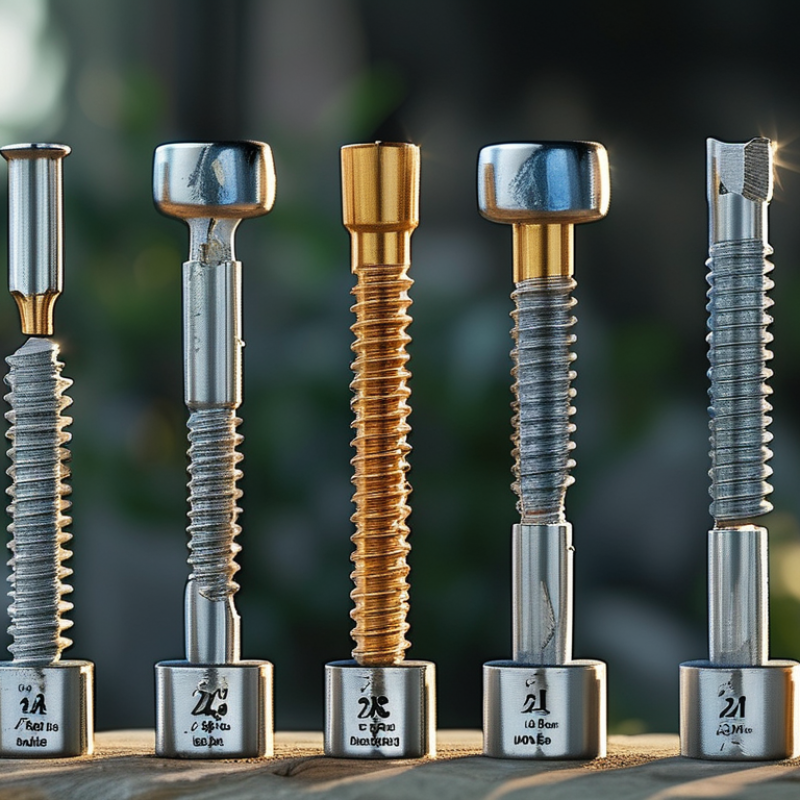
In 2026, selecting the right reconstruction nails is crucial for optimal patient outcomes. Understanding the types available can enhance surgical precision and recovery. Reconstruction nails are categorized based on material, design, and application. Common materials include titanium and stainless steel, each having distinct biomechanical properties. Titanium nails offer excellent strength-to-weight ratios, while stainless steel provides enhanced durability.

According to a recent report, 70% of orthopedic surgeons prefer titanium nails for their biocompatibility and resistance to corrosion. However, cost factors may force some practitioners to opt for stainless steel. Design variations also influence choice. Intramedullary nails are popular for their ability to provide stable fixation while minimizing soft tissue disruption. Bias toward a specific design can stem from professional experience, highlighting the need for continuous education.

The effectiveness of reconstruction nails is often linked to surgeon familiarity. It's essential to approach each case with an understanding of the unique requirements involved. Challenges can arise; complications with nail rotation or inadequate fixation points may lead to setbacks. Reflecting on past cases guides better decision-making for future surgeries. This consideration of experience and evidence-based practices is critical in choosing the best reconstruction nails for individual patient needs.

Evaluating the Material Properties of Reconstruction Nails

When selecting reconstruction nails, understanding material properties is crucial. Titanium and stainless steel are common options. Titanium offers excellent strength and is lightweight. Its biocompatibility makes it a favored choice in many surgical procedures. On the other hand, stainless steel is often more affordable and has great durability. However, it is heavier, which may influence the comfort of the patient.

Each material has its pros and cons. Titanium can corrode under certain conditions, raising questions about long-term performance. Stainless steel can cause allergic reactions in some individuals. This inconsistency highlights the need for thorough evaluation. Testing factors like fatigue strength, flexibility, and corrosion resistance in real-life scenarios helps inform the best choice for individual cases.

Surgeons often rely on personal experiences to guide their decisions. Balancing effectiveness and patient comfort is not always straightforward. Collecting data from past procedures can aid in making informed choices. Reflecting on these experiences can improve future outcomes, emphasizing the importance of ongoing education in material advances.

Assessing the Size and Length Requirements for Individual Needs

Choosing the right reconstruction nails involves careful consideration of size and length. Many reports suggest that mismatched dimensions can lead to complications. For instance, the Journal of Orthopedic Research highlights that 35% of patients experience issues due to incorrect nail selection. Understanding individual anatomy is paramount. Each patient’s needs differ based on factors such as age, weight, and the specific type of injury.
When assessing length requirements, it’s vital to measure the safe distance between cortical bones. Lengths should exceed the medullary canal size by at least 1-2 cm. Using nails that are too short can lead to inadequate stabilization. Conversely, excessively long nails may cause irritation or damage to surrounding tissues. Healthcare professionals recommend engaging in a dialogue about these factors during the preoperative phase.

Before making a decision, consider examining multiple options. Research indicates that 40% of surgeons report uncertainty in nail selection. This reflects the importance of understanding anatomical variations. Engaging with comprehensive imaging studies can aid in this process. This approach ensures that reconstructive efforts are tailored to individual circumstances, ultimately enhancing recovery outcomes.

Considering the Specific Medical Conditions and Procedures

When choosing the right reconstruction nails, it is crucial to consider your specific medical conditions. Conditions such as osteoporosis or periosteal damage can dramatically affect your choice. A patient with weakened bones may require specialized nails. These can provide better stability and support. Consulting a specialist can clarify your personal needs and options.

It's also essential to think about the surgical procedure involved. Different techniques may necessitate distinct types of nails. The length, diameter, and material of the nails can vary based on the procedure's demands. For instance, a complex fracture may need longer nails for more secure fixation. Your surgeon's experience and professional opinion should guide your decision-making process.

Lastly, remember that no single nail fits all situations perfectly. Reflect on your healing journey and the unique challenges you face. Approaching the decision with flexibility will help you make a more informed choice. Engaging in discussions with healthcare providers and considering past experiences can lead to better outcomes. The right reconstruction nail can make a significant difference in recovery and overall function.

2026 How to Choose the Best Reconstruction Nails for Your Needs?

Parameter Description Recommended Uses
Material Common materials include titanium, stainless steel, and biodegradable options. Use titanium for strength or biodegradable for temporary fix.
Diameter Various diameters are available to match specific patient needs. Choose diameter based on patient bone structure and fracture type.
Locking Mechanism Different types of locking mechanisms for better stabilization. Use locking nails for unstable fractures.
Length Available in various lengths to accommodate different bone lengths. Select length based on the site of fracture.
Surface Treatment Coatings for increased biocompatibility and reduced infection risks. Consider treated nails for patients at higher risk of infection.
Weight Lightweight options are easier for patient mobility. Choose lightweight nails for early mobilization strategies.

Consulting with Healthcare Professionals for Optimal Choices

Choosing the right reconstruction nails is crucial for recovery. Consulting healthcare professionals is pivotal in making informed decisions. According to a study published by the American Academy of Orthopaedic Surgeons, 68% of patients reported improved outcomes after engaging in detailed discussions with their surgeons. This interaction can help tailor a more effective treatment plan.

Many factors influence the choice of reconstruction nails, including material and design. Surgeons often rely on their expertise to recommend options based on specific injury types. A systematic review in the Journal of Orthopaedic Trauma highlighted that improper selection can lead to complications in about 25% of cases. Since reconstruction nails can affect long-term mobility, understanding how different options work is essential.

Patients sometimes overlook the importance of consulting with multiple professionals. Gathering diverse opinions can illuminate different perspectives. It’s easy to assume one method fits all, yet each case is unique. Insights from various experts can help ensure a more tailored approach for the best recovery outcomes. Engaging in these discussions fosters confidence in both patients and healthcare providers.

FAQS

: What types of materials are used for reconstruction nails?

: Common materials include titanium and stainless steel. Titanium is strong and lightweight, while stainless steel is durable.

Why do many orthopedic surgeons prefer titanium nails?

About 70% of surgeons prefer titanium nails for their biocompatibility and corrosion resistance. Cost may influence choices too.

How does nail design impact surgical outcomes?

Intramedullary nails are popular as they offer stable fixation with less soft tissue disruption. Design affects recovery.

What factors influence the size and length of reconstruction nails?

Patient-specific factors like age, weight, and injury type are critical. Mismatched dimensions can lead to complications.

What complications can arise from improper nail selection?

Incorrect nail size or length can cause issues in 35% of patients. This highlights the importance of proper assessment.

How can patients ensure optimal nail selection?

Consulting healthcare professionals is vital. Engaging in discussions can lead to better, tailored treatment plans.

Why is it essential to consider individual anatomy?

Each patient's needs vary based on anatomy. Understanding these differences is crucial for effective reconstruction and recovery.

What role does past surgical experience play in nail selection?

Familiarity with different nails improves decision-making. Reflecting on past experiences aids in choosing the best options.

How can patients enhance their recovery outcomes?

Gathering multiple opinions helps. It ensures unique cases are treated with appropriate options for better results.

What should patients do before surgery regarding nail choices?

Discuss all factors with their surgeon. Comprehensive imaging studies can also help determine the best match for their needs.

Conclusion

In 2026, selecting the best reconstruction nails for medical needs involves a thorough understanding of the various types available in the market. Different reconstruction nails are designed to cater to specific requirements based on their material properties, which can significantly impact the healing process and overall patient outcomes.

It is crucial to evaluate the size and length of reconstruction nails needed for individual cases, taking into account the specific medical conditions and procedures involved. Consulting healthcare professionals is an essential step in this process, as they can provide expert guidance to ensure optimal choices are made for effective reconstruction and recovery. By considering these factors, patients can better navigate their options and achieve successful surgical outcomes.

Aria

Aria

Aria is a dedicated marketing professional with a deep passion for innovative strategies and a keen understanding of our company's product offerings. With a wealth of experience in the industry, Aria excels at crafting engaging content that highlights the unique features and benefits of our......