How to Choose Cancellous Screws for Global Sourcing?

Time:2026-10-03 Author:Liam
0%

Choosing Cancellous Screws for global sourcing is not simply a price exercise. It is a clinical, technical, and supply-chain decision. Screw thread design, core diameter, length, material, coating, and packaging can influence fixation performance. A small mismatch may matter inside fragile metaphyseal bone.

The World Health Organization reports that approximately 1.71 billion people live with musculoskeletal conditions. This broad burden supports continuing demand for trauma and orthopedic implants. Grand View Research also identifies orthopedic trauma devices as a growing global medical-device segment. However, market forecasts vary by methodology. Numbers should be checked, not repeated blindly. Local surgeon preferences, hospital protocols, and reimbursement systems can change purchasing decisions.

Professor Peter V. Giannoudis, a recognized orthopedic trauma specialist, emphasizes that “biology and mechanics must work together.” This principle matters when comparing Cancellous Screws from different suppliers. A lower quotation may hide inconsistent thread geometry, incomplete material traceability, or weak sterilization documentation. Buyers should examine ISO 13485 certification, batch records, dimensional inspection data, biocompatibility evidence, and regulatory registrations for each target market. Samples deserve practical review. Check the driver fit, thread sharpness, head seating, and package integrity by hand. It is easy to trust a polished catalogue. That can be a mistake. A reliable sourcing process combines engineering review, clinical feedback, supplier audits, and total-cost analysis. The best choice is rarely the cheapest screw. It is the screw that performs consistently, arrives documented, and remains supportable across borders.
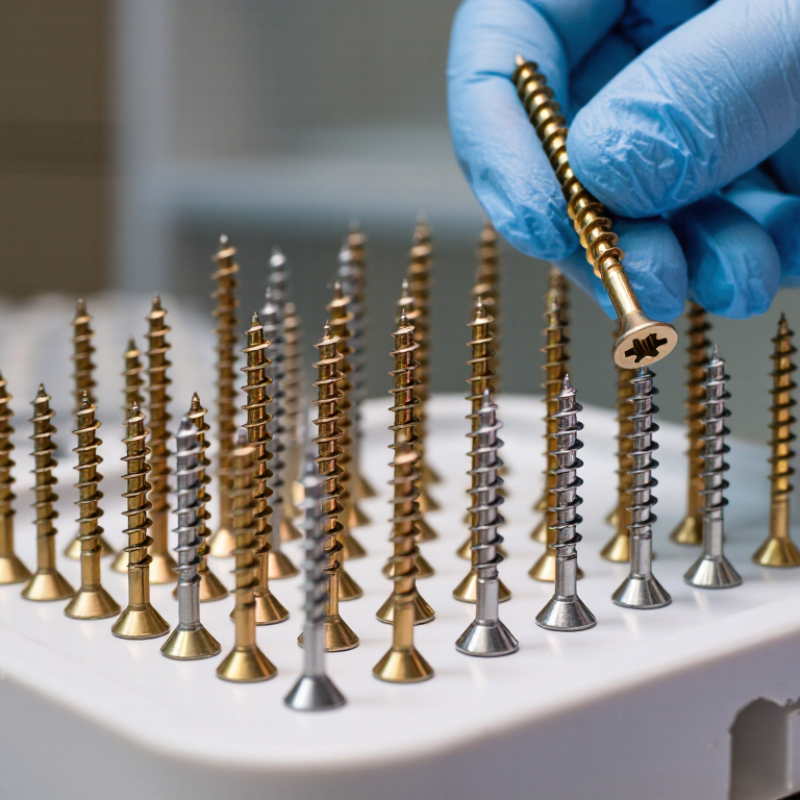
How to Choose Cancellous Screws for Global Sourcing?

Define Cancellous Screws and Their Clinical Applications

Cancellous screws are orthopedic fixation devices designed for soft, porous bone. Their threads are deeper and wider than cortical screw threads. This structure improves purchase in the metaphyseal region, where dense outer bone is limited. Many cancellous screws have a partially threaded shaft. The smooth section can create lag compression between fracture fragments. Fully threaded versions may support positioning or maintain alignment without compression. Small details matter.

Clinically, surgeons use these screws in fractures involving the distal radius, ankle, proximal humerus, and other cancellous bone areas. They may also assist fixation around joints or secure bone grafts, depending on the procedure.

Screw diameter, length, thread design, material, and head configuration should match the anatomy and fixation plan. Imaging, bone quality, and expected loading all influence selection.

In practice, a longer screw is not automatically better. It can irritate soft tissue or penetrate the far cortex. A shorter screw may provide inadequate purchase.

This is where supplier specifications need careful review, not casual comparison. Buyers should verify dimensional tolerances, surface quality, sterilization status, packaging integrity, and applicable regulatory documentation.

Clinical evidence and traceability also deserve attention. Product descriptions alone are insufficient. Surgical teams and qualified procurement professionals should confirm compatibility with instruments and local requirements before use. Mistakes happen when catalog language replaces clinical judgment.

Compare Screw Types, Materials, Threads, and Head Designs

How to Choose Cancellous Screws for Global Sourcing?

Cancellous screws need more than a low unit price. Their coarse, deep threads are designed to grip softer bone and resist pullout. In procurement reviews, I compare thread pitch, root diameter, and available lengths against the intended anatomy. Fully threaded designs can provide stable fixation, while partially threaded screws may create compression across a fracture. That difference matters. It is easy to select the wrong thread pattern when specifications look similar.

Material selection affects strength, corrosion resistance, imaging performance, and handling. Stainless steel often offers proven strength and cost efficiency. Titanium alloys can reduce imaging artifacts and support lighter designs, but they may have different wear and torque behavior.

Ask for material certificates, mechanical test data, surface-finish records, and lot traceability. Do not rely on a catalog sentence alone. Supplier quality systems, dimensional inspection, and applicable ISO or regional requirements also deserve review.

Head design changes insertion control and soft-tissue interaction. Hex or star drives can improve torque transfer, while low-profile and countersunk heads may reduce prominence. A washer-compatible head can help distribute load in selected cases. Check driver compatibility, recess depth, stripping resistance, and the transition between head and shaft. I once treated dimensional similarity as functional equivalence; that assumption was too convenient. Clinical users should confirm insertion technique, bone quality, and imaging needs before approval. A supplier’s sample may look excellent, yet production consistency still requires independent verification.

Match Screw Dimensions to Bone Quality and Surgical Requirements

How to Choose Cancellous Screws for Global Sourcing?

Bone quality should guide screw selection before price or packaging. The Global Burden of Disease 2019 analysis estimated 178 million new fractures worldwide. Many involve fragile bone and demand stronger fixation planning. The International Osteoporosis Foundation reports that one in three women and one in five men over 50 may experience an osteoporotic fracture. These figures matter when sourcing screws for older patient populations.

Match diameter, length, thread depth, and thread design to the surgical site. Softer cancellous bone may require deeper threads, controlled insertion torque, or a larger diameter. However, an oversized screw can split thin metaphyseal bone. That risk is easy to underestimate. Partial-threaded screws may support compression across a fracture, while fully threaded designs can maintain position without compression. Length should provide sufficient purchase without entering a joint or damaging the far cortex. A washer may help distribute load in weak cortical bone.

The AO Foundation recommends assessing fracture pattern, bone stock, and implant trajectory during fixation planning. Suppliers should provide verified mechanical data, dimensional tolerances, material specifications, and sterilization information. Pull-out strength alone is not enough. Testing should reflect thread engagement, insertion depth, and bone density. A practical sourcing review might compare screws in synthetic osteoporotic bone models, then confirm clinical suitability with qualified surgeons. Laboratory results can mislead when anatomy changes. That limitation deserves attention.

Evaluate Standards, Certifications, and Supplier Capabilities

How to Choose Cancellous Screws for Global Sourcing?

Evaluate Standards, Certifications, and Supplier Capabilities

A reliable evaluation starts with the intended anatomy, fixation method, and target market. Cancellous screws need suitable thread geometry, core strength, and corrosion resistance. Request material certificates for every production lot. Common references include ISO 5835, ISO 10993, ASTM F136, and ASTM F138, depending on material and design. These standards are not interchangeable. Confirm their relevance with your regulatory specialist.

Check whether the supplier operates an ISO 13485 quality system. Review its current certificate, scope, issuing body, and expiry date. For regulated markets, request technical files, risk management records, validation reports, and market-specific conformity documents. Do not accept a certificate copied from another product. Traceability should connect raw material, heat treatment, machining, inspection, and packaging records. Small gaps matter.

Supplier capability requires more than a polished audit room. Ask for process-flow diagrams and sample inspection data. Verify thread gauges, torque testing, surface-finish checks, cleanliness controls, and sterile-barrier packaging capability. A factory should explain nonconformance handling without hesitation. It should also support engineering changes and controlled sampling. Some suppliers promise every test, yet outsource critical operations without clear oversight. That deserves a second review. A pre-production trial can reveal burrs, inconsistent threads, or packaging damage that documents miss. Perfect paperwork is not proof of perfect screws.

Assess Costs, Sampling, Quality Control, and Global Logistics

How to Choose Cancellous Screws for Global Sourcing?

Start with the specification. Define diameter, length, thread profile, head design, material, and surface finish before requesting quotations. For cancellous screws, thread geometry affects purchase, fixation, and insertion torque. Ask suppliers for drawings, material certificates, inspection records, and relevant quality-system documentation. Do not rely on catalog images. They can hide important dimensional differences.

Compare the complete landed cost, not only the unit price. Include tooling, minimum order quantities, sample charges, inspection fees, packaging, freight, insurance, duties, and local handling. Request samples from the intended production line. Keep samples traceable. Measure critical dimensions with calibrated equipment, and record thread accuracy, head fit, torque performance, and surface defects. A useful sample is not merely attractive; it must represent normal production. Sampling often exposes assumptions that the quotation never mentions.

Quality control should include an agreed inspection plan with acceptance limits. Consider incoming, in-process, and final checks, supported by batch records and corrective-action procedures. For international logistics, confirm packaging strength, moisture protection, labeling, document consistency, and shipment lead times. Clarify shipping terms and responsibility for customs documentation. A small packaging failure can delay an entire order. A low quote can still be expensive. I would also challenge my own forecast: demand may be seasonal, transit times may change, and a second qualified source could cost more but reduce disruption. Do not treat compliance paperwork as a substitute for physical inspection.

FAQS

What thread design should I choose for a cancellous screw?

Coarse, deep threads grip softer bone and resist pullout. Fully threaded screws can support stable fixation. Partially threaded screws may create fracture compression. Similar specifications can mislead. Check the intended anatomy carefully.

Which measurements deserve attention during sourcing?

Compare thread pitch, root diameter, and available lengths. Match them with the target anatomy and fixation method. A small dimensional difference can change insertion behavior. Do not judge by length alone. Measure twice.

How do material choices affect screw performance?

Stainless steel can offer strength and cost efficiency. Titanium alloys may reduce imaging artifacts and support lighter designs. Their wear and torque behavior can differ. Request material certificates for each production lot. Catalog descriptions are not enough.

What documents should a supplier provide?

Request mechanical test data, surface-finish records, and lot traceability. Records should connect raw material, machining, inspection, and packaging. For regulated markets, request technical files and risk records. Check certificate scope and expiry dates. Small gaps matter.

Are all listed standards interchangeable?

No. Standards address different materials, designs, or evaluation needs. Possible references include ISO 5835, ISO 10993, ASTM F136, and ASTM F138. Confirm relevance with a qualified regulatory specialist. A familiar number proves little by itself.

How can I evaluate a supplier’s quality system?

Review the current quality certificate, issuing body, scope, and expiry date. Verify whether the system covers the actual product and processes. Ask how nonconformances are handled. Listen for specific answers. Polished paperwork is not proof.

What head-design features should be checked?

Hex or star drives can improve torque transfer. Low-profile or countersunk heads may reduce tissue prominence. Washer-compatible heads can distribute load in selected situations. Check driver fit, recess depth, stripping resistance, and head-to-shaft transition. Fit matters.

How can pre-production trials reveal hidden problems?

Inspect sample screws for burrs, uneven threads, and packaging damage. Test insertion control and torque behavior with compatible drivers. Review surface finish and cleanliness controls. Independent verification can expose production inconsistency. A sample can look excellent.

Conclusion

Choosing the right Cancellous Screws for global sourcing requires a clear understanding of their role in treating fractures and securing implants in softer, porous bone. Buyers should compare screw types, materials, thread profiles, and head designs according to the intended clinical application. Key considerations include thread depth and pitch, driving interface, corrosion resistance, and compatibility with surgical instruments. Screw diameter and length must also match bone quality, fracture characteristics, fixation requirements, and the surgeon’s preferred technique.

A reliable sourcing process should evaluate applicable standards, certifications, technical documentation, and the supplier’s manufacturing capabilities. Before placing larger orders, buyers should review samples, verify dimensional accuracy, assess surface finish and mechanical performance, and confirm consistency through documented quality-control procedures. Total cost should include tooling, packaging, inspection, shipping, import duties, and potential lead-time risks rather than focusing only on unit price. Clear communication, traceability, production capacity, and dependable global logistics are essential for building a stable and compliant supply relationship.

Liam

Liam

Liam is a dedicated marketing professional with a profound expertise in the industry, where he excels at highlighting the unique advantages of our core products. With a keen understanding of market trends and consumer needs, Liam frequently updates our company’s professional blog, providing......