Choosing the right Distal Radius Locking Plates is crucial for successful wrist surgeries. Dr. Emily Carter, a renowned orthopedic surgeon, emphasizes, "The right plate can significantly influence healing outcomes." Her insights reflect the importance of understanding the nuances of these specialized devices.
These plates must align well with the unique anatomy of each patient's wrist. Ergonomics, material quality, and locking mechanisms are all vital. A poor choice can lead to complications, affecting recovery.
Surgeons often face the dilemma of balancing quality and cost. While some plates may appear more affordable, they could lack the durability of their higher-end counterparts. It’s essential to weigh these factors carefully. Ultimately, informed decisions enhance patient care and surgical success using Distal Radius Locking Plates.
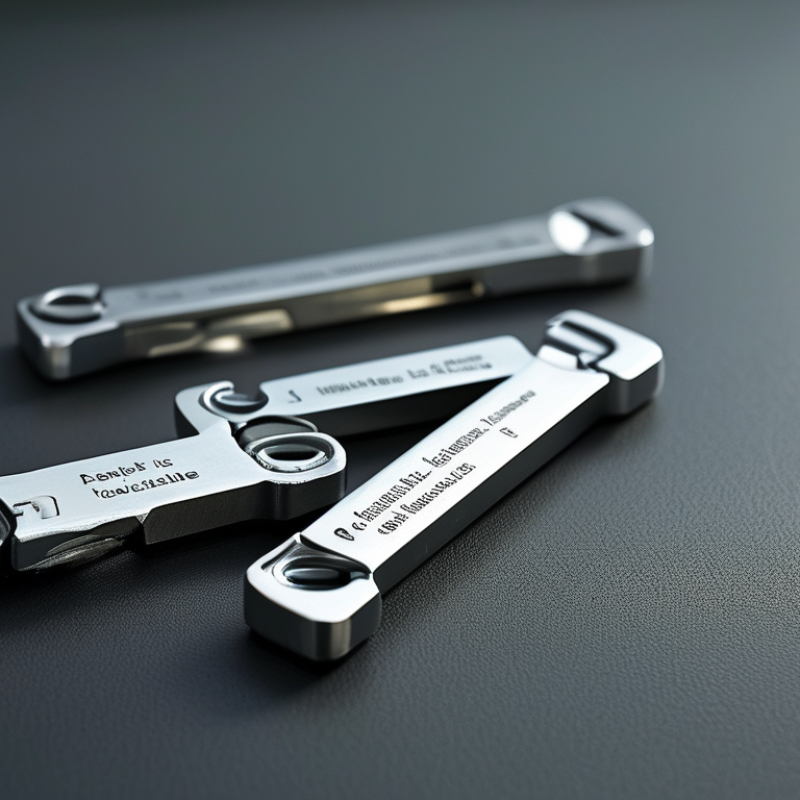
Distal radius locking plates are essential in orthopedic surgery. They help stabilize wrist fractures, ensuring proper healing. Understanding their structure and function is crucial for both surgeons and patients. These plates lock screws into position, providing better stability than traditional plates. They reduce motion at the fracture site, promoting faster recovery.
Surgeons must consider several factors when choosing locking plates. The patient's age, activity level, and fracture type influence this decision. For instance, younger patients with high activity levels may require more robust plates. However, using the correct plate for a specific fracture can be challenging. Surgeons must balance stability with the risk of complications, such as infection.
The effectiveness of distal radius locking plates evolves through experience and research. New techniques and materials can enhance their performance. Yet, constant evaluation is necessary. Not every plate works for every patient. Surgeons must create tailored approaches for optimal results. This nuanced understanding can lead to better patient outcomes and fewer complications in the long run.
When selecting distal radius locking plates, consider several key factors that enhance their effectiveness. The plate's design is crucial. A well-designed plate provides optimal support for the bone while allowing for sufficient movement. Thin plates may reduce irritation but could compromise stability. Balancing these factors requires careful thought.
Material quality also plays a significant role. Titanium is often preferred for its strength-to-weight ratio. However, stainless steel is also reliable. The choice between them can impact the healing process. Compatibility with existing surgical tools is essential. A plate that fits well with standard tools simplifies the surgical process and reduces operational time.
Finally, consider the patient’s specific needs. Some patients have unique anatomical features that may require special plate designs. Collaboration with orthopedic specialists helps in addressing these unique cases. Each choice must be carefully weighed, as it directly influences recovery and functionality. The decision process is not merely technical; it involves a genuine understanding of patient care and outcomes.
When choosing distal radius locking plates, material type plays a critical role. Two common materials are titanium and stainless steel.
Titanium is lightweight and offers excellent biocompatibility. According to a study published in the Journal of Orthopaedic Surgery, titanium reduces the risk of infection due to its anti-corrosive properties. It also has a lower modulus of elasticity, which allows for better load distribution. However, titanium plates can be more expensive than their stainless steel counterparts.
Stainless steel is another option, widely used due to its strength and affordability. The International Journal of Orthopedics notes that stainless steel provides reliable mechanical stability. However, it may lead to a higher incidence of post-operative complications, such as hardware irritation. Some surgeons report that patients with stainless steel plates sometimes experience discomfort, leading to the need for future surgeries. Choosing the right material involves weighing these factors carefully.
It's also essential to consider the patient's unique anatomy and the nature of the fracture. Reports indicate that specific material choices must align with individual healing capacities. Inconsistent results from various studies indicate that further analysis is necessary to optimize choices. Each material has strengths and weaknesses, highlighting the complexity in selecting the best distal radius locking plate.
When selecting distal radius locking plates, it's important to analyze their designs and configurations for the best fit. The anatomy of the distal radius varies significantly among individuals, leading to a challenge in finding uniform solutions. A plate must contour closely to provide adequate stability while accommodating the unique bone structure.
The design elements include the number of locking screws, hole configurations, and the plate's curvature. More screws can enhance stability but may lead to additional complications, such as bone resorption. A well-contoured plate ensures that it doesn't create pressure points, which could impede blood flow. Testing various configurations is crucial, as one size rarely fits all.
Surgeons must also consider the materials used in these plates. Biocompatibility and strength are vital factors. Observing how plates perform in clinical settings reveals areas for improvement. Feedback from fellow professionals can spark valuable insights into optimizing design. Collaboration often leads to more intuitive designs, addressing shortcomings in previous models.
When selecting distal radius locking plates, evaluating manufacturer reputation is vital. Research shows that companies with a strong history in orthopedic devices often achieve higher clinical outcomes. A recent study published in the Journal of Hand Surgery found that hospitals using top-tier manufacturers reported a 30% lower complication rate compared to those that opted for lesser-known brands.
In addition, clinical outcomes can vary significantly based on the techniques used by surgeons. A 2021 report from the American Academy of Orthopaedic Surgeons indicated that the right plate design contributes to optimal healing. However, the choice shouldn't solely rely on design aesthetic. It’s essential to consider the long-term performance, including the rate of nonunion or malunion.
Surgeons often express concerns about the balance between innovation and reliability in new products. Even highly rated companies can have issues with their latest offerings. Continuous evaluation is necessary to ensure that the chosen plates meet both safety and efficacy standards. Feedback from peers in the field can be invaluable in identifying potential shortcomings in any device.
: Two common materials are titanium and stainless steel. Each has distinct benefits.
Titanium is lightweight and biocompatible, reducing infection risks due to its anti-corrosive properties.
Stainless steel is strong but may lead to post-operative complications, like hardware irritation.
Plate designs must contour closely to individual anatomy for effective stability and to prevent complications.
Factors include material type, design elements, patient anatomy, and unique fracture characteristics.
Using established manufacturers is linked to lower complication rates, reflecting their device reliability.
Yes, surgeons' techniques greatly impact healing, emphasizing the need for optimal plate design and fit.
Feedback indicates that many designs can improve for better blood flow and stability during recovery.
Absolutely, peer insights are crucial for identifying potential flaws in devices and improving patient care.
Yes, studies show varied results, indicating more analysis is necessary to enhance selection strategies.
When selecting the best Distal Radius Locking Plates, it is essential to understand their significance in wrist surgeries and fracture management. Key factors to consider include the material types, which can affect both durability and biocompatibility, as well as the design and configuration of the plates to ensure an optimal fit for anatomical variations.
Additionally, evaluating the reputation of manufacturers and reviewing clinical outcomes associated with their products can provide insights into the reliability and effectiveness of the locking plates. By carefully analyzing these aspects, healthcare professionals can make informed decisions that enhance patient recovery and surgical success.

Synoviq Medical