Choosing Acutrak Screws for international markets requires more than comparing prices, sizes, or delivery times. The decision should begin with the intended procedure, bone quality, fracture pattern, and surgeon preference. Acutrak Screws are headless compression implants, commonly considered for small-bone fixation and selected arthrodesis procedures. Their buried profile may reduce soft-tissue irritation, but implant selection still demands careful anatomical planning.
Dr. Donald H. Lalonde, a respected hand surgeon, has emphasized, “The patient is the most important member of the team.” That principle matters when evaluating Acutrak Screws across different healthcare systems. A distributor should confirm the exact model, diameter, length, material, instrumentation, and sterile packaging. Product availability is only one part of the decision. Surgical training, traceability, regulatory registration, and after-sales support also deserve close attention. They protect patients and purchasing teams.
Global buyers should request official technical files, clinical guidance, and compatibility information from authorized manufacturers or distributors. Packaging should show clear lot details and expiration information. Small discrepancies can create serious confusion. A low quotation may look attractive, yet incomplete instruments or delayed replacement parts can increase the real cost. That deserves honest review.
Market conditions also vary. A screw approved in one country may require separate registration elsewhere. Buyers should involve qualified orthopedic surgeons, regulatory specialists, and hospital procurement professionals before ordering. No product suits every fracture. That is easy to forget. A careful comparison of clinical purpose, evidence, compliance, logistics, and total ownership cost creates a more reliable purchasing decision for global Acutrak Screws buyers.
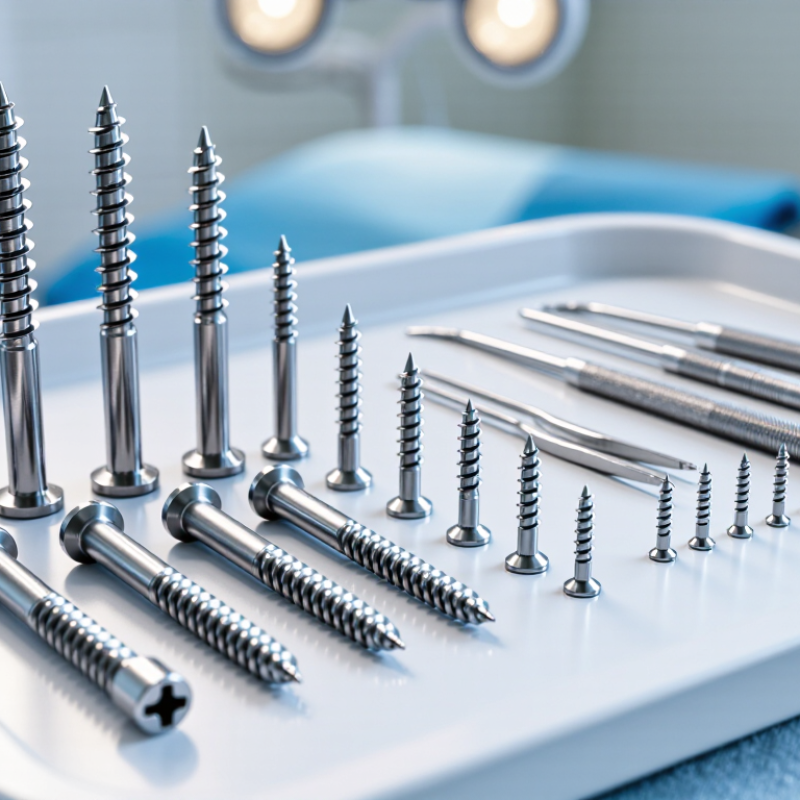
Headless compression screws are designed to sit below the bone surface, reducing prominence around joints. Their concealed profile suits small-fragment fixation, arthrodesis, osteotomies, and selected fracture patterns. Design details matter. Cannulation supports guidewire placement and controlled trajectory. A variable-pitch thread can draw fragments together as the screw advances. Fully threaded versions may provide positional fixation when compression is undesirable. Partially threaded versions can create interfragmentary compression, but only when the near fragment is prepared correctly. Poor purchase cannot be repaired by thread geometry alone.
Global buyers should compare diameter, length range, core size, alloy, thread profile, and driver interface. Titanium may suit selected imaging or flexibility needs, while stainless steel offers different strength and handling characteristics. The choice depends on anatomy, loading, bone quality, and surgical technique. Small increments matter. A screw that is too long may irritate soft tissue or enter an adjacent joint. One that is too short may lose purchase. Measure carefully, then verify with imaging. It sounds basic, but rushed measurement remains a practical weakness.
For international procurement, review sterilization status, packaging integrity, traceability, shelf life, and local regulatory authorization. Ask for material certificates, dimensional data, surgical technique documents, and validated instrument compatibility. Clinical evidence should match the intended indication, not merely a similar product category. No single design fits every case. Surgeons should confirm reduction, trajectory, and compression before final tightening. Even experienced teams can misjudge bone density or fragment stability. That uncertainty deserves documentation, not confident wording.
Diameter influences strength, while length controls purchase across the fracture line. A screw that is too short may lose fixation. One that is too long may irritate soft tissue or nearby structures. Measure the bone carefully with compatible imaging and instruments. Recheck the plan.
Fine threads may advance precisely in dense bone. Coarser threads can improve purchase in softer bone. Variable-pitch threads may create compression during advancement. Compression is not automatic. Reduction quality, drilling technique, and bone condition still matter.
A headless screw sits beneath the bone surface. This may reduce prominence near joints and tendons. Countersinking can help, but insertion depth requires control. Over-insertion may create another problem. The final choice depends on anatomy and fixation needs.
Cannulated designs can guide placement over a wire. The wire must remain centered and stable during insertion. Check the wire path before advancing the screw. Thin bones or unusual anatomy may require another fixation method. Do not assume guidance guarantees accuracy.
Compare diameter ranges, available lengths, materials, sterilization status, and regional documentation. Confirm the driver interface and thread profile against approved drawings. Product charts can mislead without compatibility review. A neat table is not enough. Local requirements deserve separate checking.
Request material certificates, dimensional inspection reports, and batch-specific test records. Review samples from several production lots, not one clean sample. Check alloy, diameter, length, thread profile, and driver compatibility. Records should connect products to identifiable lots. Traceability matters.
Confirm classification, registration status, labeling language, and instructions for use. Verify sterilization details, validation, and identification. Packaging should show lot numbers and expiry information where applicable. Check certificates through the responsible authority’s database when required. Documents can look convincing.
Review quality-management certification, manufacturing personnel, machining controls, and nonconformance procedures. Ask how they investigate loose threads, damaged coatings, or incorrect labels. Request audit reports, complaint trends, and comparable buyer references. Remote audits help, but they miss some shop-floor habits. I would not rely on certificates alone.
Choosing Acutrak Screws for international purchase requires a clear understanding of their design, intended surgical applications, and clinical limitations. Buyers should evaluate the patient’s bone quality, fracture or fixation requirements, anatomical location, and the surgeon’s preferred technique before selecting a suitable screw. Important comparisons include diameter, length, thread configuration, compression characteristics, material, and whether a headless design is appropriate for reducing prominence and soft-tissue irritation. Selection should always be based on professional medical judgment and the device’s approved indications.
Global buyers should also verify manufacturing quality, sterilization information, traceability, regulatory documentation, and the supplier’s credentials before placing an order. Reliable planning should cover product availability, packaging, international shipping conditions, import requirements, delivery schedules, and procedures for handling damaged or incorrect items. Clear after-sales communication, technical documentation, and responsive support can reduce procurement risks and help ensure that Acutrak Screws are sourced responsibly for qualified healthcare use.

 Synoviq Medical