China Best Cortical Screws Manufacturer and Supplier?

Time:2026-09-28 Author:Charlotte
0%

Choosing the right Cortical Screws manufacturer or supplier takes more than comparing prices. These implants must match the intended anatomy, procedure, and technical specifications. A useful principle, paraphrased rather than quoted, from the fracture-fixation work associated with orthopedic trauma surgeon Dr. Michael Baumgaertner is: “Match the fixation method to the fracture and the patient.” It is a practical reminder, not a product endorsement.

Details matter. A careful supplier comparison should examine material specifications, diameter and length options, thread geometry, packaging, and lot traceability. Ask how product dimensions are verified and what quality documentation accompanies each shipment. Clear answers are more useful than broad claims about being “the best.” For example, a buyer should be able to confirm that a screw’s listed dimensions match the technical documentation and the intended system.

Manufacturing capability matters, too. Review the supplier’s experience with orthopedic implants, inspection processes, and ability to provide consistent records. Do not assume that a polished catalogue proves reliability. It does not. This guide explores practical criteria for evaluating Cortical Screws manufacturers and suppliers in China, including product range, communication, documentation, and quality controls. The strongest choice depends on the clinical requirements and the evidence available. I would still verify every critical specification directly; supplier claims alone are not enough.
China Best Cortical Screws Manufacturer and Supplier?

What Are Cortical Screws and How Are They Used?

Cortical screws are orthopedic fasteners designed to grip the dense outer layer of bone, called the cortex. Their threads are generally closer together than those of cancellous screws, which are intended for softer, more porous bone. This design helps the screw hold in compact bone. Small details matter. Screw diameter, length, and thread pattern must suit the bone and the surgical plan.

Surgeons commonly use cortical screws to secure plates or stabilize selected fractures. A screw may pass through a plate and into bone, helping hold the pieces in position while healing occurs. The exact method depends on the fracture, bone quality, and imaging findings. Fit matters. A screw that is too long may affect nearby tissue, while one with poor purchase may not provide stable fixation. These choices require clinical training and careful assessment.

Cortical screws can be made from materials such as titanium alloys or stainless steel, depending on the implant system and clinical need. They are not interchangeable in every situation. Even experienced teams must consider the whole construct, not just the screw itself. That distinction can be easy to overlook. Proper selection, placement, and follow-up are part of responsible fracture care.

Key Designs, Materials, and Technical Features of Cortical Screws

Cortical screws are designed to gain purchase in the dense outer layer of bone. Their threads are generally finer and closer together than those of screws intended for softer bone. That geometry supports controlled fixation. Fit matters.

Design details vary. A screw may have a flat, rounded, or countersunk head, with a drive recess suited to a specific instrument. The head profile affects how it sits against a plate or bone surface. Common materials include implant-grade stainless steel and titanium alloys. Each has distinct strength, imaging, and material-compatibility considerations, so specifications matter more than appearance.

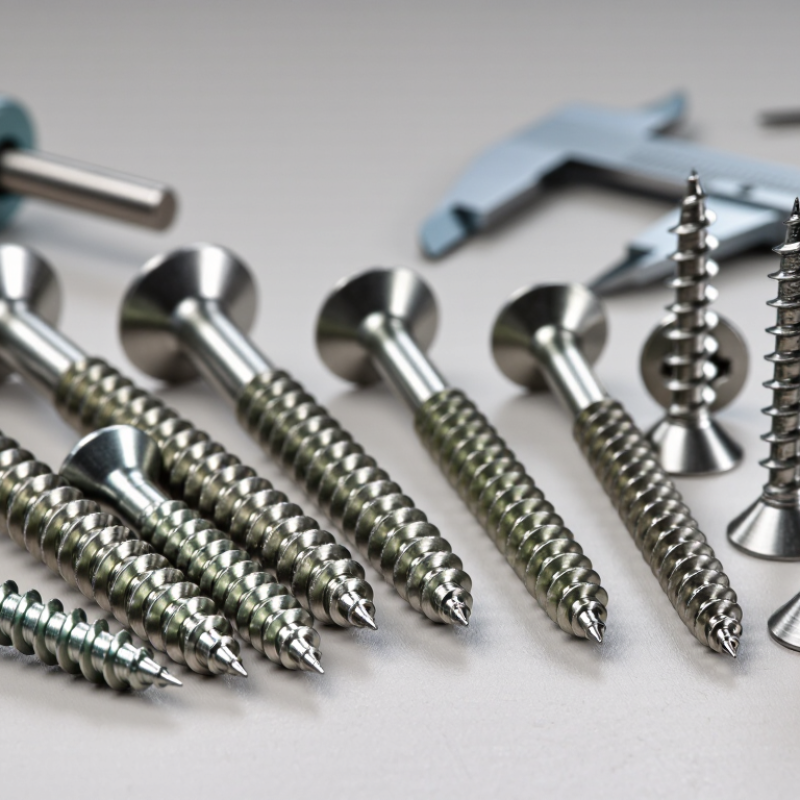
Technical features deserve close inspection: diameter, length, thread pitch, core size, and tip design all influence placement and fixation. Some screws are self-tapping, while others require a prepared hole or tapping step. Small details count. A reliable manufacturer should provide traceable material information, dimensional tolerances, and clear compatibility guidance. A polished finish alone proves little. And no single design fits every bone or fixation plan; that trade-off deserves careful review by qualified professionals.

How Cortical Screws Are Manufactured and Quality-Tested in China

China Best Cortical Screws Manufacturer and Supplier?

How Cortical Screws Are Manufactured and Quality-Tested in China

Cortical screws begin with verified implant-grade metal, commonly titanium alloy or stainless steel. In Chinese manufacturing facilities, CNC machining forms the thread, shaft, and drive recess to controlled dimensions. Operators then remove burrs, clean the parts, and inspect thread shape under magnification. Small details matter. A rough thread can damage bone or affect insertion.

Material records matter as much as machining. ASTM F136 limits oxygen in wrought titanium alloy to 0.13% by mass, helping buyers verify material chemistry against a recognized implant specification. After production, dimensional checks and surface inspections catch visible defects, but they cannot prove mechanical performance.

ASTM F543 describes testing for metallic bone screws, including torsional properties, driving torque, and pullout strength. Test samples should match the screw design and documented production lot. Still, a polished surface alone proves little. Reports should identify the test method, measured values, and acceptance criteria. One practical weakness is that sampling cannot test every screw, so traceable records and consistent process controls remain essential.

What to Consider When Comparing Chinese Cortical Screw Suppliers

When comparing Chinese cortical screw suppliers, look beyond unit price and polished product photographs. Request current drawings, material specifications, and inspection criteria for each screw size. Check that certificates identify the material grade and relate clearly to production lots. Ask how thread dimensions, head geometry, and overall length are measured. A report without methods or acceptance limits is hard to assess.

Ask for examples of lot records and traceability from incoming material through final inspection. Clarify which manufacturing steps are controlled in-house and which are outsourced. Review packaging details, including how screws are protected from damage and contamination during shipping. If sterile products are offered, request relevant sterilization and packaging validation documents. Requirements vary by market, so confirm that documentation suits your intended use.

Samples can reveal details that brochures miss: burrs, thread finish, labeling, and consistency across sizes. Compare sample results with agreed specifications, not just visual impressions. Ask how the supplier handles nonconforming parts and corrective actions. A clear answer should include records and a practical process. Low prices deserve questions. They do not prove poor quality, but they may reflect different inspection scopes or service levels. No checklist catches everything; keep room to reassess after reviewing the evidence.

China Best Cortical Screws Manufacturer and Supplier? What to Consider When Comparing Chinese Cortical Screw Suppliers

Suggested allocation of 100 procurement review points across key evaluation areas. These are buyer-planning weights, not measured supplier performance or market statistics; adjust them to match your product and regulatory needs.

Compare documented evidence—not claims—including quality-system and regulatory documentation, material traceability, dimensional verification, sterilization and packaging validation, and delivery capability. Confirm which requirements apply to your device and target markets.

How to Select a Reliable Cortical Screw Manufacturer in China

Choosing a reliable cortical screw manufacturer in China starts with evidence, not a polished catalog. Ask for the manufacturer’s quality certificates and confirm that their scope covers the specific products and facility. Check material certificates, lot traceability, inspection records, and documented dimensional controls. Small details matter. Thread profile, head geometry, and surface finish should match approved drawings and clinical requirements.

Request sample screws and review measurable features, such as diameter, thread spacing, and driver fit. Ask how the supplier controls machining, cleaning, packaging, and any sterilization process. Review nonconformance reports and how corrective actions are verified; a confident answer should include records.

Visit the production site when practical, or arrange an independent audit. A video tour helps, but it cannot replace a thorough review. Not every supplier will share every record immediately, and that deserves a closer conversation, not an instant rejection. I would also clarify lead times, change-notification practices, and who handles technical questions after shipment. Start with a controlled evaluation order, then assess consistency across lots before expanding purchasing.

FAQS

What are cortical screws designed to do?

They grip the dense outer layer of bone, called the cortex. Their closely spaced threads suit compact bone.

How are cortical screws commonly used?

Surgeons may use them to secure plates or stabilize selected fractures. The screw can pass through a plate and into bone.

What affects the choice of screw size?

Diameter, length, and thread pattern must suit the bone and surgical plan. A screw that is too long may affect nearby tissue.

Which materials may cortical screws use?

They may be made from titanium alloys or stainless steel. These materials are not interchangeable in every situation.

What records should a manufacturer provide for review?

Ask for quality certificates, material certificates, lot traceability, inspection records, and dimensional controls. Check that certificates cover the relevant products and facility.

How can sample screws be evaluated?

Review measurable details such as diameter, thread spacing, head geometry, surface finish, and driver fit. Small differences can matter.

Can a video tour confirm production quality?

It may offer useful context, but it cannot replace a thorough review or independent audit. A catalog can look convincing. That is not enough.

What should be checked before increasing an order?

Start with a controlled evaluation order. Compare consistency across lots, clarify lead times, and ask how changes and technical questions are handled. Even a careful review can miss a detail.

Conclusion

Cortical Screws are fixation devices designed to engage the dense outer layer of bone and help stabilize fractures or support orthopedic procedures. Their performance depends on factors such as thread design, diameter, length, material, and compatibility with the intended surgical application. Understanding these features can help buyers assess whether a screw is suited to specific clinical and manufacturing requirements.

When comparing Chinese suppliers, consider manufacturing capabilities, material traceability, dimensional consistency, inspection procedures, and the clarity of technical documentation. Quality evaluation may include checks of thread accuracy, surface condition, mechanical properties, and packaging integrity. A reliable manufacturer should communicate specifications clearly, maintain consistent production controls, and provide responsive support. Careful comparison of these factors can help purchasers make an informed choice based on product quality, supply reliability, and the needs of their intended market.

Charlotte

Charlotte

Charlotte is a seasoned marketing professional with a deep understanding of the company's portfolio and a passion for elevating its presence in the market. With a keen eye for detail and a commitment to excellence, she ensures that our professional blog is regularly updated with insightful articles......